


Dynamic Movement & Body Control: How Ergonomic Gear Supports Athletic Training
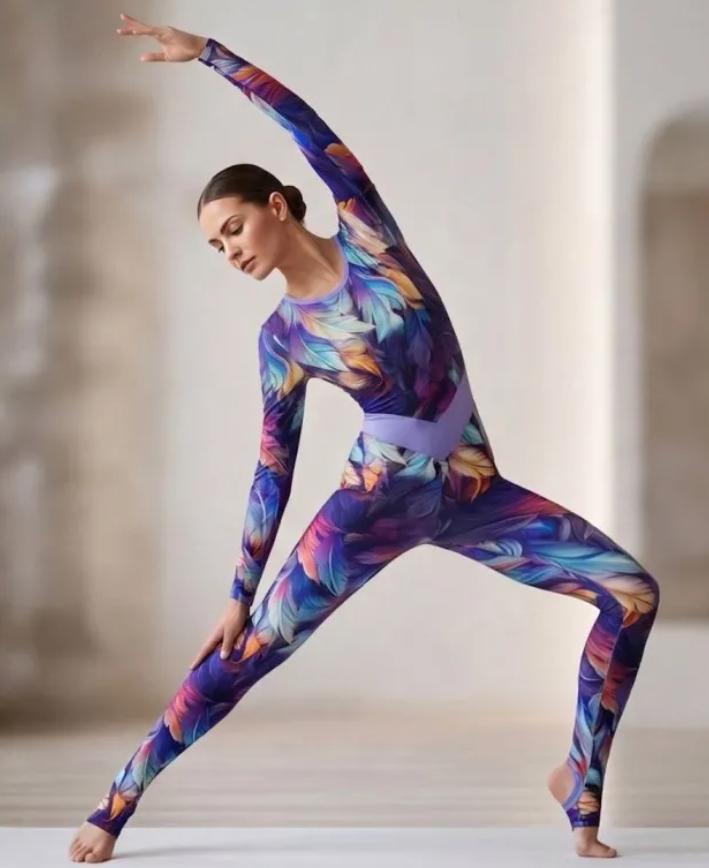
Athletic disciplines that demand extreme flexibility, explosive power, and aerial or spatial awareness require precise body mechanics. Whether an athlete is conditioning for gymnastics, acrobatic arts, or specialized mobility routines, muscle engagement and joint articulation depend heavily on unrestricted movement. In these high-intensity environments, standard sportswear often acts as a physical barrier rather than a performance aid.
The Impact of Fabric Drag on Joint Mechanics
During complex rotations, inversions, or deep extension holds, every layer of material against the body creates subtle resistance. Standard cotton or rigid synthetic workout gear can bind around key hinge points—such as the hips, shoulders, and knees. This resistance forces surrounding muscle groups to work harder simply to overcome fabric tension, altering natural movement pathways and increasing fatigue.
For athletes focused on mastering complex physical routines, transitioning to specialized, studio-grade comfortable training clothes engineered with four-way stretch fabric eliminates this mechanical drag. By matching the natural elasticity of human skin, professional activewear allows for complete fluid extension through full range of motion.
Skin Protection and Friction Prevention
Physical conditioning often involves repeated contact with training apparatuses, mats, or floor surfaces. Friction burns and skin chafing are among the most common minor injuries that interrupt consistent training schedules.
Ergonomic one-piece suits and full-length activewear serve as a durable protective layer between the athlete and external surfaces. High-density fiber blends shield vulnerable areas—such as the inner thighs, torso, and underarms—from friction while maintaining essential breathability and heat dissipation under heavy physical exertion.
4 Core Requirements for High-Performance Activewear
- Four-Way Directional Elasticity: Expands uniformly in all directions to accommodate deep splits, arches, and sudden direction changes without pulling.
- Zero-Shift Anatomic Fit: Stays firmly anchored to the body during inversions, eliminating the need to adjust garments mid-routine.
- Moisture Management & Breathability: Pulls sweat away from the skin rapidly, keeping muscles warm and preventing temperature drops during rest intervals.
- Abrasion Resistance: High-tensile fiber weaves withstand repeated contact with studio equipment, ropes, and mats.
Maximizing Training Efficiency
Peak athletic performance relies on eliminating distractions. Choosing athletic apparel specifically engineered for dynamic flexibility and body protection ensures that athletes can focus entirely on technical precision, muscle memory, and safety during every training session.
Last Updated on August 1, 2026