


Comparing European Sports Camps for Adult Athletes
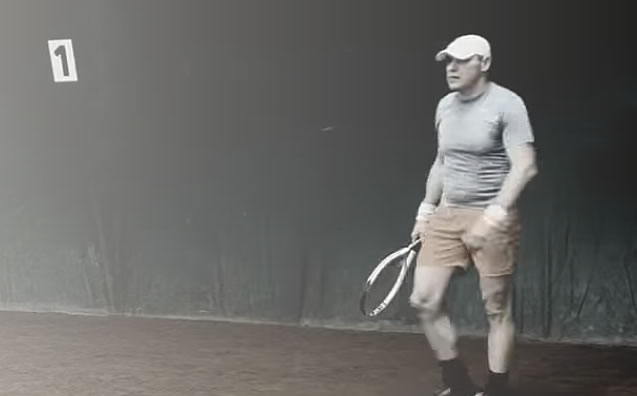
Adult sports travel across Europe has grown up. Travelling players no longer accept a week of shared drills as the unavoidable price of training abroad. They want coaching that measures their current level, responds to it, and fits inside a short trip.
Two models dominate the market. The first is the familiar group resort clinic: fixed schedules, rotating staff, and mixed levels working on the same court. The second is the private, assessment-led intensive built around one player, one coach, and a written plan.
This guide compares both formats in practical detail, from assessment structure and sample scheduling to coaching credentials, court venues, travel logistics, and how pricing actually works. It is written for adults who can already rally and who treat a training trip as part of their season rather than as sightseeing with a racket.
Why Short Private Coaching Camps Work for Travelling Athletes
Most travelling athletes face the same three constraints: limited days, no practice partner, and a need to see progress before the flight home. A short private camp is structured around those constraints from the first message. Sessions are scheduled against your arrival and departure dates, and the training focus is built around the goals you bring.
Language rarely becomes an obstacle. Coaching is available in English, Czech and Ukrainian, so technical feedback arrives in the language you already think in. Solo travellers are treated as the norm rather than as an exception, and no playing partner is required.
Short does not mean shallow. Camps start from three days, while a week or a longer visit gives more time to test changes under pressure. The format also suits couples or friends who travel together but want separate coaching blocks.
Comparing Group Resort Camps vs. Assessment-Led Private Intensives
Group clinics deliver atmosphere and social contact. They suit players who want a holiday with some court time attached, and who enjoy rallying with strangers at mixed levels. The trade-off is that the plan is written for the group, not for the individual on the court.
When evaluating options for dedicated athletic skill building during travel in Europe, choosing the best tennis camp for adults requires focusing on individualized assessment rather than generic resort group drills.
| Factor | Typical multi-player resort clinic | Private assessment-led intensive |
|---|---|---|
| Grouping | Rotating groups of mixed standard | One player, one coach |
| Starting point | Standard drill ladder | 90-minute diagnostic session |
| Plan | Fixed weekly template | Written around your goals and dates |
| Feedback | General group cues | Stroke-level notes during each session |
| Pace | Set for the group | Set for the player |
| Partner | Often assumed | Not required |
| Testing | Casual points at the end | Live point testing against set patterns |
| Take-home | Memories and holiday photos | A written plan of priorities |
Neither model is universally better. A player who wants company and a relaxed timetable will be happy in a group clinic. A player who wants to fix one specific problem in three days needs individual attention and measurement.
Who Assessment-Led Adult Camps Suit Best
The clearest fit is the American club and USTA league player at roughly NTRP 3.5-4.5. These players already understand point construction and match pressure, so coaching time goes into refinement rather than into teaching the rules of the game.
Returning players are the second obvious group. After years away from regular play, they need an honest read on what still works and what has drifted. A diagnostic session gives them that read before any training time is committed to the wrong priority.
Solo travellers also fit well. They arrive without a hitting partner and leave without one, because every session is coach-fed and coach-paced. Club players on a city break can add structured morning training without disrupting the rest of their trip.
An honest disclaimer matters here. This is a programme for players who can already rally; it is not designed for complete beginners, and it is not a resort holiday where rooms, meals and courts arrive bundled together. If your goal is relaxed social play in a large group, a resort clinic will serve you better.
The Assessment Format: Diagnostic Testing to Court Application
Everything begins with a 90-minute initial assessment. The coach watches you rally, feeds structured balls, and tests the strokes you actually use in matches. The output is a clear list of priorities rather than a vague impression.
From there, private sessions focus on one or two of those priorities at a time. Repetition is deliberate, and feedback is immediate, because only one player is on the court with the coach. Nothing is split between four people and a basket of balls.
Changes are then tested in live points. Patterns that felt comfortable feeding from a basket often break down under time pressure, and that is exactly where the work gets useful. Match application is part of the camp, not an afterthought.
Players leave with a written plan of priorities to continue practising at home. That document is the practical legacy of the trip, and it is what most travelling athletes say they were missing from earlier camps.
Targeted Skill Development and Technical Adjustments
Short intensives are strongest when they target a narrow problem instead of rewriting an entire game. Players commonly use this time to examine serve placement, return positioning, footwork into the forehand, transition movement toward the net, or patterns on big points.
Tactical work is equally realistic. You can map out how to build a point against a steady baseliner, how to handle a heavy first serve, or how to change direction under pressure. Video review, where used, supports the discussion rather than replacing it.
The honest framing is that these are technical possibilities, not promised outcomes. What changes in three days depends on the player, the problem, and the hours available. Longer stays give more time for repetition to become habit.
Sample Three-Day Training Schedule
The plan below is illustrative. The exact schedule is agreed before booking, after goals, dates and hours are confirmed, and court access is matched to the specific dates you plan to travel.
| Day | Focus | What the day covers |
|---|---|---|
| 1 | Assessment and priorities | 90-minute diagnostic, review of match habits, agreed priority list |
| 2 | Technical change and repetition | Private court work on the agreed strokes, controlled drills, early point testing |
| 3 | Match application | Live point testing, situation play, written take-home plan |
Camps start from three days, which is enough for a first pass at a specific problem. A week or a longer visit gives more time to test changes under fatigue and pressure, and to revisit the same priorities until they hold up in points.
Coaching Qualifications and Venue Facilities in Prague
The head coach is Leonard Stakhovsky, a former ATP player and an NCAA Division I athlete. Those two backgrounds describe both a professional playing career and experience of structured, high-volume training environments.
Coaching is private and one-to-one with Leonard Stakhovsky, assessment-led, and without rotation between group coaches. You work with the same coach across the whole visit, so nothing has to be re-explained.
Where Training Happens
Training takes place on courts in Prague: TK Spoje, Hodkovicky and CLTK, located across Prague 3, 4 and 7. Court access and surfaces are confirmed for specific dates, so the venue for your visit is settled before you book anything else.
Prague is also a practical base for a training trip. The city is compact, public transport is straightforward, and courts sit inside the city rather than at a remote resort complex. That matters if you want culture and restaurants alongside your court hours.
Planning Your Trip to Prague: Logistics and Scheduling
Fly into Prague Vaclav Havel Airport, which handles direct routes from much of Europe and a range of long-haul connections. From the airport, the courts and central accommodation districts are a straightforward transfer.
Agree your dates, training hours, venue and court surface before booking flights. Courts are confirmed for specific dates, so moving a flight later is more expensive than scheduling carefully at the start. Build in rest time between sessions rather than filling every hour.
Flights, accommodation and meals are not included, and court hire is extra unless confirmed separately. Budget for all four separately, and keep in mind that Prague accommodation covers a wide range of price points across the city.
Pricing Structure and Custom Quote Breakdown
Pricing is built from simple, visible components rather than a single package figure. That makes it easy to scale the visit up or down depending on how many training hours you want.
| Item | Rate | Notes |
|---|---|---|
| Initial assessment | 3,800 CZK (approx. EUR 155) | 90 minutes, plus court hire |
| Assessment credit | Full assessment fee | Credited to the first program period if the player continues |
| Private coaching | From 1,600 CZK (approx. EUR 65) per hour | Plus court hire |
| Court hire | Extra | Unless confirmed separately |
| Total camp price | Written quote | Issued after goals, dates and hours are agreed |
There is no fixed total camp price, because no two visits are identical. The written quote reflects the hours you have agreed and the dates you plan to travel, so you see the full figure before making any decision.
How to Enquire and Confirm Your Training Visit
- Send an enquiry through the Stakhovsky Tennis website, describing your current level and what you want to work on.
- Share your travel dates, preferred training hours, and whether you have a court surface preference.
- Receive a written quote covering coaching hours, the assessment, and the expected court hire for your dates.
- Confirm the dates and venue, then book your flights and accommodation around the agreed schedule.
- Bring your written goals to the first session and use the take-home plan afterwards.
An enquiry requires no payment and does not automatically reserve a place. Confirmation happens only after you have seen the quote and agreed the schedule in writing.
Frequently Asked Questions About Adult Sports Camps
Are complete beginners accepted?
No. The programme assumes you can already rally and sustain a point, and it focuses on refining existing play. Beginners would be better served by group fundamentals classes in their home club before committing to an intensive trip abroad.
Do I need to bring a playing partner?
No playing partner is required. Coaching is one-to-one and coach-fed throughout, so solo travellers train on equal terms with anyone else. Partners travelling together can book separate blocks if they prefer individual work.
How long should I stay?
Camps start from three days, which suits one focused priority. A week or longer gives more time to test technical changes in points and to repeat them until they hold up under pressure.
What does it cost?
The initial 90-minute assessment is 3,800 CZK (approx. EUR 155) plus court hire. Private coaching starts from 1,600 CZK (approx. EUR 65) per hour plus court hire. The total is confirmed by written quote after goals, dates and hours are agreed.
Are flights and hotels included?
No. Flights, accommodation and meals are arranged and paid separately, and court hire is extra unless confirmed separately. Budget for those items independently from the coaching quote when you plan the trip.
Can I train in English?
Yes. Coaching is available in English, Czech and Ukrainian, so technical feedback and the written plan are delivered in the language that suits you. This is standard rather than a special arrangement for international visitors.
Is this a group programme or private coaching?
Private one-to-one coaching with Leonard Stakhovsky, assessment-led, without rotation between group coaches. The same coach works with you across the visit, building on the diagnostic findings from the first session.
When should I book?
Agree dates, hours and venue before booking flights, since court access is confirmed for specific dates. Send the enquiry first, review the written quote, and only then arrange travel around the confirmed schedule.
Conclusion: Making the Most of Your Athletic Travel
The right format depends on what you want from the trip. If you want company and a relaxed timetable, a group clinic will deliver it. If you want measurement, individual attention and a plan you can use at home, an assessment-led intensive is the stronger fit.
Choose a camp that starts with a diagnostic, states its rates plainly, and confirms the venue before you commit. Bring honest goals, keep the schedule realistic, and treat the written plan as the real souvenir. That is how a training trip keeps paying off long after the flight home.
Last Updated on October 13, 2026